By Lumpe Media
Uganda’s tourism industry is steadily reclaiming its vibrancy after the global COVID-19 disruption, with renewed growth anchored in the country’s rich wildlife heritage and protected natural landscapes.
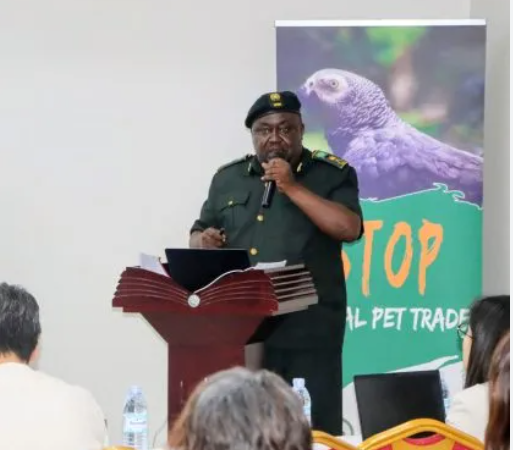
During a recent media engagement, officials from the Uganda Wildlife Authority (UWA) revealed that tourism revenues have rebounded to pre-pandemic performance, with some segments even surpassing earlier records.
Wildlife Tourism Continues to Lead
According to UWA leaders, the majority of international visitors continue to choose Uganda for its national parks, rare wildlife species, and conservation achievements. Although cultural and religious tourism is gradually expanding, wildlife-based experiences remain the foundation of the sector.
Tourism also features prominently in the national development blueprint championed by President Yoweri Museveni, which prioritizes key sectors such as agriculture, minerals, energy, science, innovation, manufacturing, and tourism as engines for long-term economic expansion.
UWA Executive Director Dr. James Musinguzi noted that sustained investment in conservation and improved management systems have played a central role in the sector’s resurgence.
“Before the pandemic, tourism was Uganda’s top foreign exchange earner. We are witnessing a strong comeback, largely driven by nature-based attractions, which place conservation at the heart of economic growth,” he said.
Under his leadership, UWA has stepped up modernization efforts, deploying drones, expanding electric fencing, upgrading access roads, and reinforcing anti-poaching operations. These measures aim to minimize human-wildlife conflict while safeguarding both communities and protected species.
Officials say these conservation gains directly translate into increased tourist confidence and broader economic benefits.
Restoration Efforts Draw Global Attention
Among Uganda’s conservation milestones is the revival of its rhino population. Once wiped out in the wild, rhinos were reintroduced beginning with six animals at the Ziwa Rhino Sanctuary. The population has since grown to 60, enabling reintroduction initiatives in the Ajai Wildlife Reserve.
Tour operators report that visitors are increasingly combining rhino tracking with trips to Murchison Falls National Park, creating expanded travel circuits that benefit surrounding communities.
Elsewhere, lion numbers are stabilizing in Queen Elizabeth National Park, while gorilla tourism continues to flourish in Bwindi Impenetrable National Park, one of the country’s most sought-after destinations.
Community Partnerships Strengthened
UWA officials emphasized that conservation success is increasingly linked to community development programs. Through dedicated funds, families affected by wildlife are receiving educational support, while concession arrangements inside protected areas are generating jobs and business opportunities for nearby residents.
Dr. Musinguzi underscored that Uganda’s ambition to multiply its economy hinges significantly on tourism performance.
“Expanding tourism means expanding employment, strengthening communities, and building national pride. Our natural heritage is a shared responsibility,” he said.
Expanding Conservation Education
Beyond national parks, wildlife education is gaining momentum. The Uganda Wildlife Conservation Education Centre—popularly known as Entebbe Zoo—was recently ranked among Africa’s leading zoological institutions by the Pan African Association of Zoos and Aquaria.
Plans are underway to establish additional regional wildlife centers to boost domestic tourism and provide more Ugandans with access to conservation education.
UWA Assistant Commissioner for Communications Bashir Hangi called for stronger collaboration between conservation authorities and the media, noting that accurate reporting plays a crucial role in shaping international perceptions.
“Tourism revenues directly support ranger welfare, park operations, conservation programs, and community initiatives. Promoting tourism is ultimately promoting national development,” he said.
New Wildlife Products in Development
To further diversify offerings, UWA is preparing to conduct Uganda’s first comprehensive chimpanzee census in the northern sector of Bwindi, a move expected to introduce new tracking opportunities alongside established gorilla tourism experiences.
With wildlife populations recovering and visitor numbers steadily rising, sector leaders say Uganda is strategically leveraging conservation as a sustainable pathway toward long-term economic transformation.