By Lumpe Media
The Government of Uganda is set to introduce a comprehensive national school feeding policy designed to improve learner nutrition, boost attendance, and enhance academic performance in public schools nationwide.
Education experts believe the initiative could mark a turning point for Uganda’s education system, particularly in rural and food-insecure regions where hunger has long undermined classroom concentration and retention.
Addressing Hunger in Classrooms
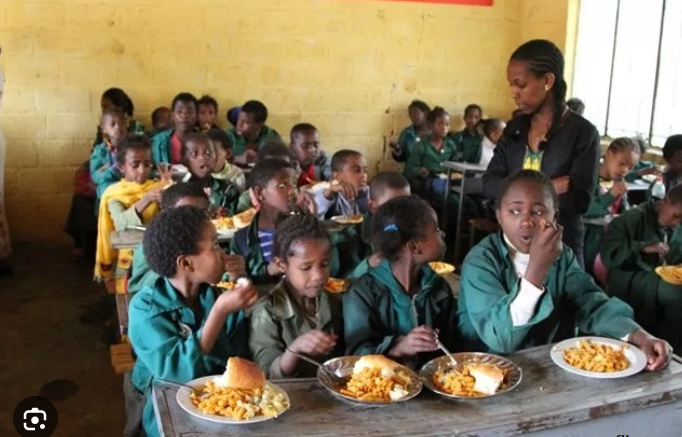
For years, concerns have persisted that many pupils report to school without meals, a challenge that directly affects learning outcomes. Studies and field reports indicate that hungry learners are more likely to struggle with concentration, miss lessons, or drop out altogether—especially in low-income communities.
The emerging policy represents a shift from the previous approach, where responsibility for school meals largely rested with parents. The Ministry of Education and Sports has now endorsed proposals to incorporate structured school feeding into the national budget for the 2025/26 financial year, signaling stronger state involvement.
Structured and Sustainable Implementation
Under the proposed framework, government-funded meals will be rolled out in phases, beginning with the most vulnerable regions. Officials are discussing the creation of permanent budget allocations and clear national guidelines to guarantee nutritional standards, sustainability, and equitable access across districts.
Stakeholders argue that if properly financed and monitored, the policy could significantly raise enrolment rates, improve attendance, and strengthen cognitive development among learners.
Civil society organisations have welcomed the government’s commitment but stress that consistent funding, transparent implementation mechanisms, and effective oversight will determine the program’s long-term success. Advocates are pushing for the initiative to be embedded within broader national development strategies rather than treated as a short-term intervention.
Partnerships Already Showing Results
Existing collaborations are offering a glimpse of what scaled-up feeding programs could achieve. In the Karamoja sub-region, the World Food Programme supports daily school meals that serve hundreds of thousands of children, contributing to improved attendance and enhanced household food security.
These experiences are shaping national discussions on how best to design and sustain a countrywide model.
Growing Public Interest
The school feeding debate has also gained political attention. During previous campaigns, former presidential candidate Robert Kyagulanyi Ssentamu, widely known as Bobi Wine, pledged to strengthen school meal programs—reflecting strong public demand for expanded social protection in education.
As policy drafting nears completion, parents, educators, and development partners are urging government to prioritize nationwide implementation. Many see school feeding not merely as a welfare measure, but as a strategic investment in Uganda’s human capital and long-term socio-economic transformation.