By Lumpe Media
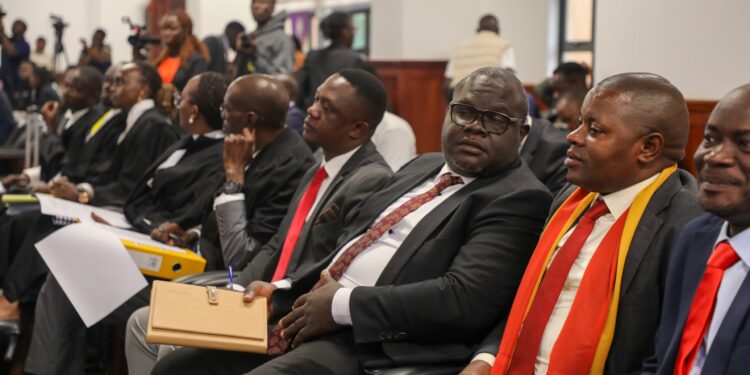
The Supreme Court has dismissed an application by former National Peasants Party presidential candidate Robert Kasibante seeking to suspend proceedings in his petition challenging the outcome of the January 15, 2026 presidential election.
In a ruling delivered on Tuesday, January 28, the court rejected Kasibante’s request to delay the hearing of his main petition pending the release of internal Electoral Commission (EC) documents and a forensic audit of the biometric voter verification machines used during the polls.
Kasibante, who filed his petition on January 17, argues that the election was marred by widespread irregularities and constitutional violations. Through his legal team, he maintained that access to EC records and an independent forensic examination of the biometric system were essential to substantiate claims of voter verification failures and electoral misconduct.
However, the apex court ruled that the application was without merit, stressing that presidential election petitions are governed by strict constitutional timelines. The justices cited Article 104 of the Constitution, which mandates the expeditious hearing and determination of such petitions, warning against delays caused by interlocutory applications.
The decision paves the way for the substantive petition to proceed without interruption, effectively shutting down attempts to introduce additional pre-hearing processes.
Kasibante’s petition questions the credibility of the electoral process, particularly the functionality of biometric voter verification machines and the independence of the Electoral Commission. With the procedural hurdle resolved, the court is expected to turn its attention to the substantive allegations and evidence presented by both sides.
President Yoweri Kaguta Museveni, the declared winner of the 2026 presidential election, has already submitted his response through his legal team from K&K Advocates, led by senior counsel Usaama Sebuufu alongside counsel Edwin Karugire. The President has dismissed all allegations, insisting that the election complied fully with the Constitution and relevant electoral laws.
As hearings continue, the Supreme Court’s eventual ruling is expected to shape the country’s political trajectory, with significant implications for electoral governance and democratic accountability in Uganda.